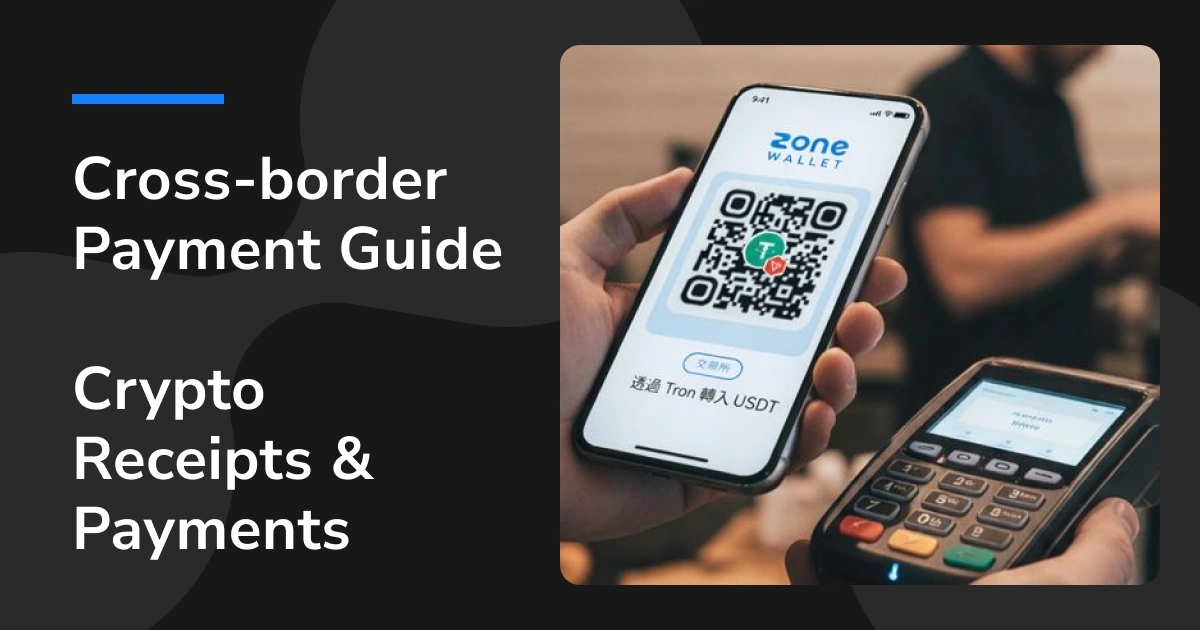
Crypto & Stablecoin Payment Solutions: A New Era of Cross-Border Corporate Finance
In the current wave of global digital transformation,“Virtual Currency Trading Platform”It is no longer just a place for retail speculation, but a strategic tool for businesses to upgrade cross-border payments and improve the efficiency of capital turnover. For Taiwanese businesses, the introduction of stablecoins (such as USDT, USDC, USAT) through compliant platforms has become key to maintaining international competitiveness in the face of the high processing fees and delays of traditional bank wire transfers.
Combining the legal service features of ZONE Wallet, this article delves into how businesses can safely enter the virtual currency space and address the practical pain points of cross-border trading.
1. Three main pain points for cross-border payments faced by Taiwanese enterprises
pursuant ZONE Wallet In an industry analysis, Taiwanese exporters in the existing financial system are constrained in the long term by the following three major barriers:
- Long settlement time (T+2/T+3): Traditional SWIFT systems need to go through multiple intermediaries, and funds in transit cannot be used by enterprises, directly affecting cash flow flexibility.
- Comprehensive outbound costs are high (10-12%): Includes parsing, handling fees, intermediary fees, and tedious compliance audit costs. These hidden costs are a huge burden for a manufacturing industry where gross margins are thin.
- The process is opaque and difficult to track: Multinational money transfers often go into a black hole, and if foreign banks are blocked, companies often cannot know the exact location of the funds at the first time.
ZONE Wallet Provides Enterprise-Grade Stablecoin Payment Solutions
Streamline workflows and reduce transaction costs.
Fill Out the Consultation Form2. Stablecoin and ZONE Wallet: digital antidote to corporate cash flow
The combination of virtual currencies (especially stablecoins) with virtual currency trading platforms is reshaping the financial supply chain. ZONE Wallet's corporate solutions help businesses achieve the following core goals:
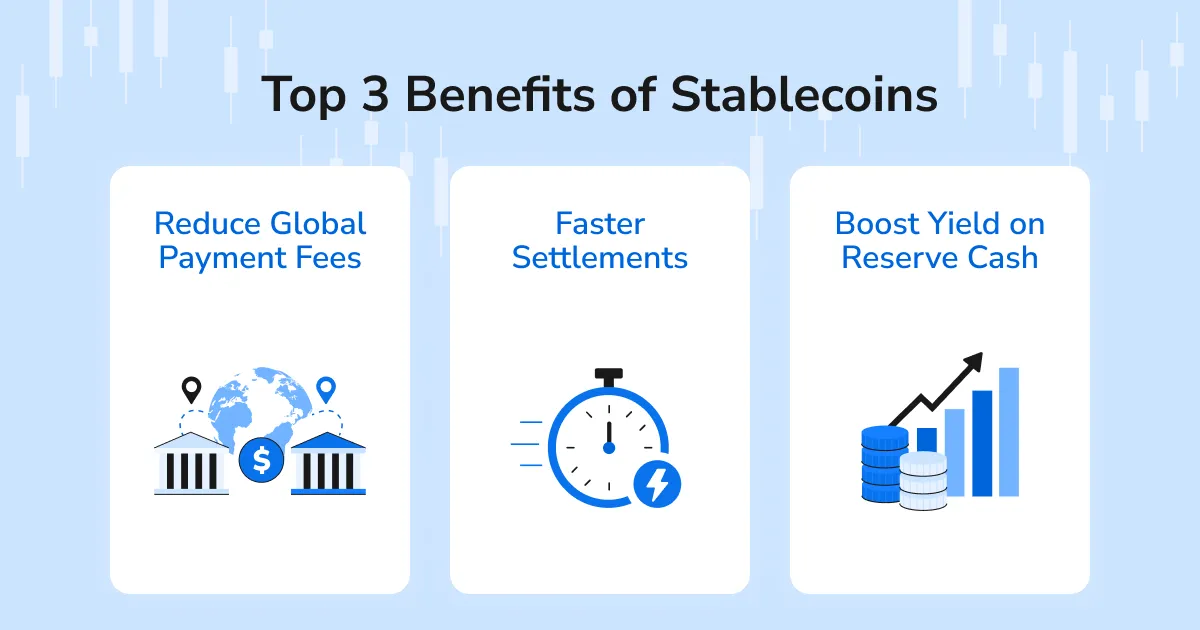
- Reduction of cross-border charges (80-95%): Blockchain transaction fees are extremely low and no forex export costs.
- Accelerated payback time: Significantly reduced from the original T+5 days to T+1 Even Instant Checkout。
- Increase in reserve gold revenue: With ZONE Wallet's financial tools, enterprise idle funds can earn annualized returns over bank deposits (maximum attainable 4.5%).
3. Selection Criteria for Virtual Currency Trading Platforms: Security and Compliance
When businesses choose a “virtual currency trading platform”, security should be above all else. ZONE Wallet stands out in the Taiwanese market thanks to its four security defenses:
- Local Compliance Protection: ZONE Wallet CompletedStatement on Compliance with the Anti-Money Laundering Act of the Taiwan Financial Institution。 Under the regulatory framework of 2026, this means that the platform is regulated by the government, legally qualified to operate, and subject to regular audits.
- Asset Security Technology (Fireblocks): With the world's leading digital asset management platform Fireblocks Collaboratively, using MPC (multi-party computing) technology to protect user assets, greatly reducing the risk of private key leakage or hacking.
- Bank-grade trust: withFar East Commercial BankDeeply cooperate to house users' NTD assets, ensuring “dedicated funds” that the user's NTD assets are protected by the bank even if the platform is operational.
- 17 levels of anti-money laundering monitoring: Introduce international-class cash flow tracking technologies (such as Elliptic) to identify risk on every virtual currency deposited to prevent corporate accounts from becoming embroiled in money laundering or illicit asset disputes.
4. Corporate Legal Entities: Seven Risk Management Practices
While there are many benefits of stablecoins, businesses need strict internal controls when running, and the following are risk factors that should not be overlooked:
1. De-pegging of stablecoins
While stablecoins are pegged 1:1 to the dollar, they are essentially bonds issued by private institutions.
- Control strategy: It is recommended that businesses adopt a “commission-and-sell” strategy to convert the funds into Taiwan dollars or USD as soon as they receive the funds through ZONE Wallet, reducing the risk during the holding period.
2. Chain selection error
The same USDT is likely to exist on Ethereum (ERC20), Wave Field (TRC20) or BNB Chain.
- Control strategy: Be sure to review the chain before sending the address to the customer.ZONE Wallet interface is simple and clean, the dimension chain is clearly marked when the address is displayed, reducing operation errors.
3. Save Tax Certificates
Virtual currencies are usually listed as “intangible assets” or “inventories” on account processing in Taiwan.
- Control strategy: Businesses should keep their invoices, contracts, and statements issued by ZONE Wallet in full. This is important for subsequent declarations of sales tax and income tax.
4. Regulatory changes
Cryptocurrency regulations, such as the Virtual Asset Management Ordinance, vary from month to month.
- Control strategy: Select YesReal life consultant assistancePlatforms. ZONE Wallet trains a team of professionals as financial advisors to provide real-time guidance to corporate clients on the latest compliance requirements.
5. How to use ZONE Wallet to make cross-border payments? (Practical teaching)
Step 1: Corporate Account Registration and KYC Certification
Companies need to prepare company registration certificates, articles of association, shareholder register and material beneficiary information. ZONE Wallet and SumSub Collaborate with AI authentication technology to speed up the audit process.
Step 2: NTD Deposits and Asset Purchase
Businesses can import Taiwan Dollars directly through a tied Far Eastern bank account. In ZONE Wallet, you can buy USDT or BTC with one click.
- Exclusive feature “Smart DCA (Smart Periodic Rate)”: If an enterprise needs to allocate some crypto assets over the long term, the system can be set up to a single time every ten minutes to help businesses balance acquisition costs.
3. Receiving Goods and Withdrawals
When overseas customers pay USDT to your corporate wallet, you can see balance updates in real time in the app.
- Withdrawal Process: After selling USDT back to Taiwan Dollar, apply for withdrawal. Due to the localization advantage of ZONE Wallet, Taiwan dollar withdrawals can often be quickly returned to a company's designated bank account.
6. The new future of cross-border payments: switch from Web2 to Web3
In addition to basic payments, ZONE Wallet is reshaping the on-chain experience. It is the first fusion in Taiwan CEX (Centralized Exchange) +NFT+Web3 WALLET COMPLIANCE APP.
For businesses, this means that the future can:
- Issue a dedicated NFT certificate: For loyalty programs or product traceability.
- On-chain Banking Products: Engage in more decentralized financial services to further optimize interest rates on idle assets.
- Global Market Layout: ZONE Wallet, with its Australian (AUSTRAC/ASIC) and Singapore (MAS) compliant licensing background, is the ideal financial partner for enterprises entering international markets.
7. Conclusion: Make every crypto transaction safe
Virtual Currency Trading PlatformIt should not be a black box for corporate financial management, but a transparent and efficient booster. infiltrated ZONE Wallet, Businesses can enjoy the high-speed cash flow experience brought by blockchain technology, provided that they are fully compliant with the regulations of the Taiwan Institute of Finance.
Suggested: Businesses should try to build a digital asset management SOP step by step starting with Stable Currency Payments. Get a head start on Web3 Finance without adding extra exchange rate risk.
Ready to optimize your business cash flow?Please contact ZONE Wallet's professional legal services team for one-to-one consultation.
[Fill in the form]
Disclaimer: This article is intended to provide industry information sharing and does not constitute any investment advice. Cryptocurrencies are at risk of market volatility and businesses should consult professional accountants and legal advisors before conducting relevant business.
Corporate Stablecoin Payment & Settlement Consulting
If your business is evaluating stablecoins for collections, payouts, cross-border settlements, or corporate account fiat onboarding/offboarding, feel free to fill out our consultation form. The ZONE Wallet team will assess the best integration approach tailored to your transaction scenarios, payment destinations, token types, and compliance requirements.
Tailored for Taiwan exporters and cross-border e-commerce to settle global trades anytime.
Enterprise Stablecoin Solutions
[blog-corporate-consultation]