What is a Crypto Lock-up? Complete Guide & Practical Implementation
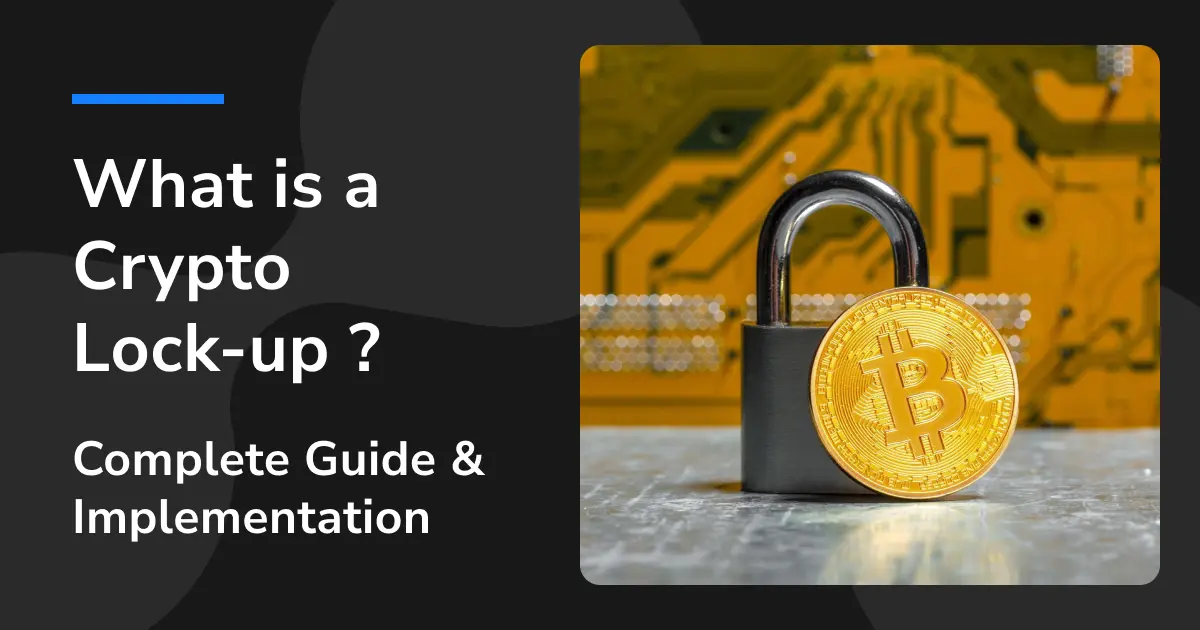
Cryptocurrency lock-up (Staking or Lock-Up) is an important mechanism in the blockchain ecosystem that enables holders to profit or participate in cyber governance by locking their digital assets. This article will delve into the concept, how lockers work, and their importance in the cryptocurrency world.
1. What is a cryptocurrency lock-up?
Cryptocurrency lock-in refers to storing a certain amount of cryptocurrencies in a specific wallet or smart contract and not being able to withdraw or transfer these assets within the agreed time. The process is similar to regular deposits in traditional finance, but has a more diverse set of purposes and application scenarios in the blockchain world.
Lock-ups are mainly divided into two main types: Staking and Protocol Lock-ups. Secured depositories are commonly used for proof-of-interest (PoS) blockchain networks, where holders support cybersecurity and receive rewards by locking tokens. Protocol lockdowns are more common in decentralized finance (DeFi) projects, where users lock assets to participate in liquidity mining, yield farms, or governance voting.
2. Mechanism of operation of the lock warehouse
When the user decides to participate in lock-in, the cryptocurrency needs to be transferred from the trading wallet to the specified pledge address or smart contract. These assets are frozen during lockdown and cannot be traded or transferred. In return, participants typically receive the following benefits:
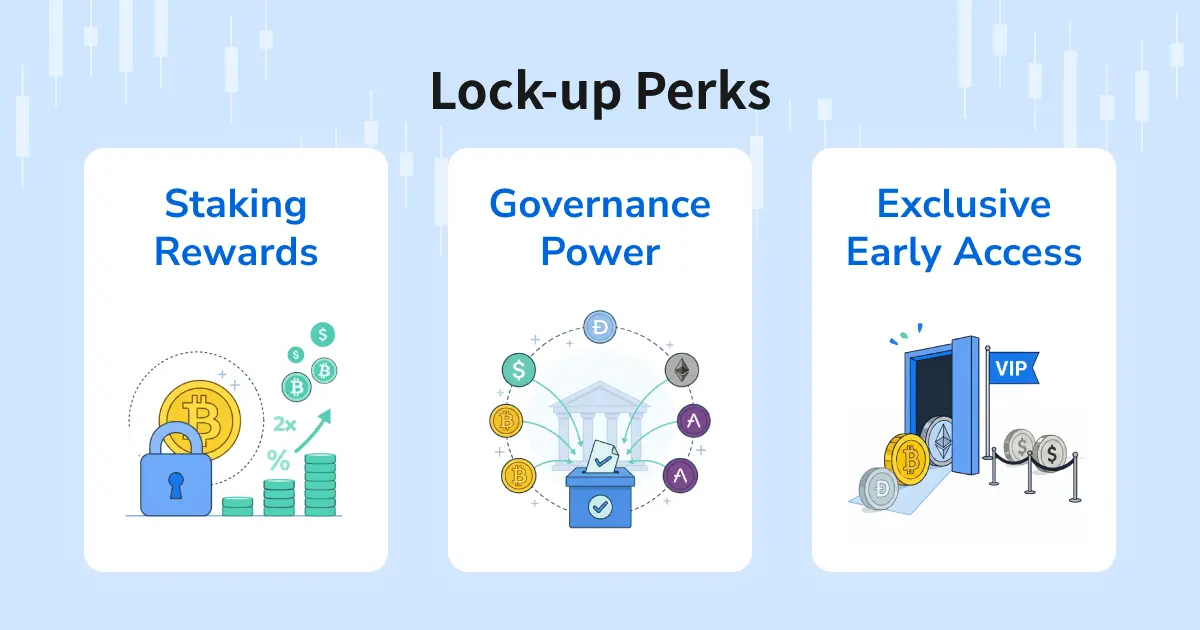
- Rewards in the form of an annualized rate of return (APY) or annualized percentage rate (APR)
- Voting rights for project governance tokens
- Eligibility for priority participation in new projects or token issues, and additional votes or rewards offered by some platforms.
Lockdown periods range from a few days to several years, and some agreements even offer flexible lock-in options that allow users to unstake at any time but may require payment of handling fees or waiving part of the bonus.
3. Core Mechanisms and Key Parameters of Locks
Lockout period
- Fixed Term: 7 days, 30 days, 90 days, 180 days, 365 days, etc.
- Longer term:The higher the annualized rate of return usually
- Elastic Locks: Some platforms offer unlocking at any time, but lower yield
Unlocking conditions
- Fully Locked: Totally not available for withdrawal during the period
- Partially unlocked: Some principal may be withdrawn, but the reward calculation is affected
- Phase Unlock: Unlock in batches step by step
How Rewards are Calculated
- Fixed interest rate: Pre-agreed rate of return
- Floating interest rates: Dynamic adjustment based on market supply and demand
- Compensatory Calculation: Automatic reinvestment of earnings to improve long-term returns
Risk parameters
- Penalty for early termination: Possible loss of part of the principal or all of the bonus
- Minimum lock threshold: Some platforms have a minimum number of lockouts
- Cooldown period: How long you need to wait after applying for an unlock
4. Key Application Scenarios of Locker
In proof-of-stake networks, blockchains like Ethereum 2.0, Cardano, and Polkadot require validators to lock a certain number of tokens to maintain cybersecurity and validate transactions. Ordinary holders can delegate tokens to validators for staking, sharing rewards without running nodes.
DeFi protocols often use lock-in mechanisms to attract liquidity. USERS LOCK TOKEN PAIRS INTO DEPOSIT LIQUIDITY POOLS, PROVIDING DECENTRALIZED EXCHANGES WITH TRADING DEPTH AND PROFITING FROM TRANSACTION FEES AND ADDITIONAL TOKEN BONUSES. This liquidity mining pattern is very common on platforms such as Uniswap, PancakeSwap and others.
Many new projects set lock-in periods for teams, investors, or early backers when they are allocated tokens to prevent massive sell-offs from impacting the market. This mechanism helps stabilize the currency price and strengthen investor confidence.
Users who hold governance tokens can gain higher voting power through lockdowns and participate in key decisions for the agreement, such as parameter adjustments, fund allocation, and upgrade proposals. The longer the lock-up time, the greater the voting weight.
5. Risk Considerations for Lockers
Although lockdowns can bring benefits, there are several important risks involved. The first is liquidity risk, where assets cannot be traded freely during the lock-up period, and investors cannot stop losses in time if the market price drops sharply. Second is the risk of smart contracts, where smart contracts in DeFi protocols can be breached or hacked, resulting in loss of funds. There is also the risk of projects that some bad projects may use lock-in mechanisms to defraud the reins once sufficient funds have been collected. Finally, Slashing Risk, in a PoS network, if validators behave improperly or offline, the pledged tokens may be partially forfeited as a penalty.
6. How to participate safely in lockdowns
Before choosing to participate in Lockdown, you should carefully study the project background, examine team members, white papers, audit reports, and community reviews. Prioritize protocols that have been audited by renowned security companies to reduce the risk of smart contracts. At the same time, allocate funds wisely and do not invest all assets in a single lock-up project, and maintain adequate liquidity to deal with emergencies. It is also important to understand the unlock conditions, including the lock-in period, penalty mechanisms to unlock early, and how rewards are distributed. Using a hardware wallet or multi-signature wallet to enhance security is also a wise choice.
Cryptocurrency lockdowns are an effective way to participate in the blockchain ecosystem and earn passive income, but require investors to have ample risk awareness and knowledge reserves. As the industry evolves, the lock-up mechanism will continue to evolve, providing holders with more diverse choices and better safeguards. Before taking part in any lock-up activities, be sure to do enough research and invest only the amount you can afford to lose.
Risk Tips: Locksmith investments have liquidity and market risks. Return rates are not guaranteed and should be carefully evaluated before investing. This article is for educational reference only and does not constitute investment advice. Market fluctuations during lockdowns can lead to capital losses, and investors should judge independently based on their own circumstances.