What Is the Travel Rule? Virtual Asset Transfer Information Explained
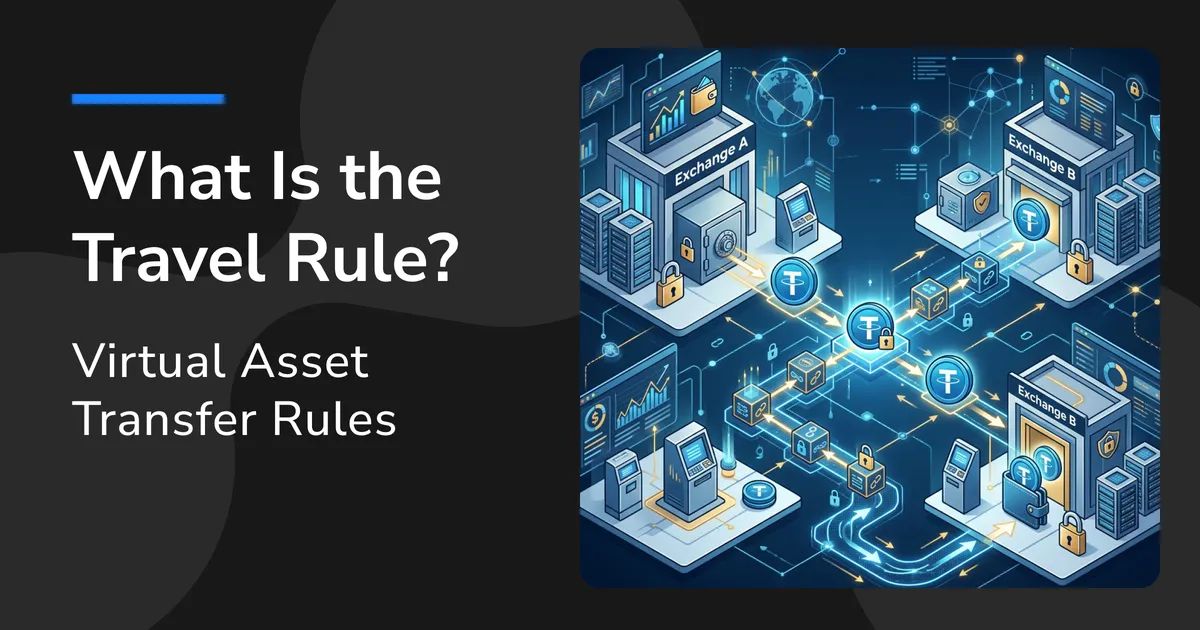
Travel Rule is a principle for sharing necessary information when virtual assets are transferred. When a regulated virtual asset service provider (VASP) handles a transfer for a customer, the aim is for originator and beneficiary information to be available, retained, and exchanged securely—not for a blockchain address to be the only available record.
For everyday users, this may mean a platform asks for the recipient's name, receiving platform, or the purpose of a wallet address before a transfer. Such checks help the platform understand counterparties and unusual activity. The exact experience differs by jurisdiction, service provider, and transaction context, so follow the current instructions shown by the platform you use.
What Is the Travel Rule?
The Travel Rule is part of a broader effort to make financial transfers more traceable when there are legitimate anti-money-laundering or counter-terrorist-financing concerns. FATF applies this concept to virtual asset services: providers should obtain, retain, and securely transmit necessary originator and beneficiary information when handling transfers.
“Travel” does not mean personal information is written directly onto a public blockchain. It describes the responsibility of regulated service providers to handle necessary information securely. A blockchain ledger itself generally records information such as wallet addresses, transaction hashes, and amounts.
Why Is a Wallet Address Alone Not Always Enough?
A blockchain address can show the movement of assets, but it does not always identify the person or service provider behind it. Information handling can help regulated providers connect a transfer with relevant originator or beneficiary information when required, while still being subject to applicable privacy and compliance rules.
This does not mean a platform may request information unrelated to the transaction without a reason. If you do not understand why information is requested, read the platform explanation or ask customer support before continuing.
Transfers to Another Platform and to a Personal Wallet
Sending to another exchange or service provider
When the receiving end is another exchange or VASP, the sending platform may ask you to select the receiving platform, provide recipient information, or confirm the relationship between an address and an account. Before sending, verify the platform, asset, network, and recipient information.
Sending to your own self-custody wallet
A self-custody wallet may not have another service provider to receive information, so platforms can use different risk-management approaches. Do not assume one platform's address whitelisting, address-purpose choice, or supplementary-information process is a universal standard. Review current guidance and consider a small test transfer first.
In either case, the Travel Rule cannot correct a wrong address or reverse an irreversible on-chain transfer. Checking the address, network, and recipient remains essential.
Five Practical Checks Before a Transfer
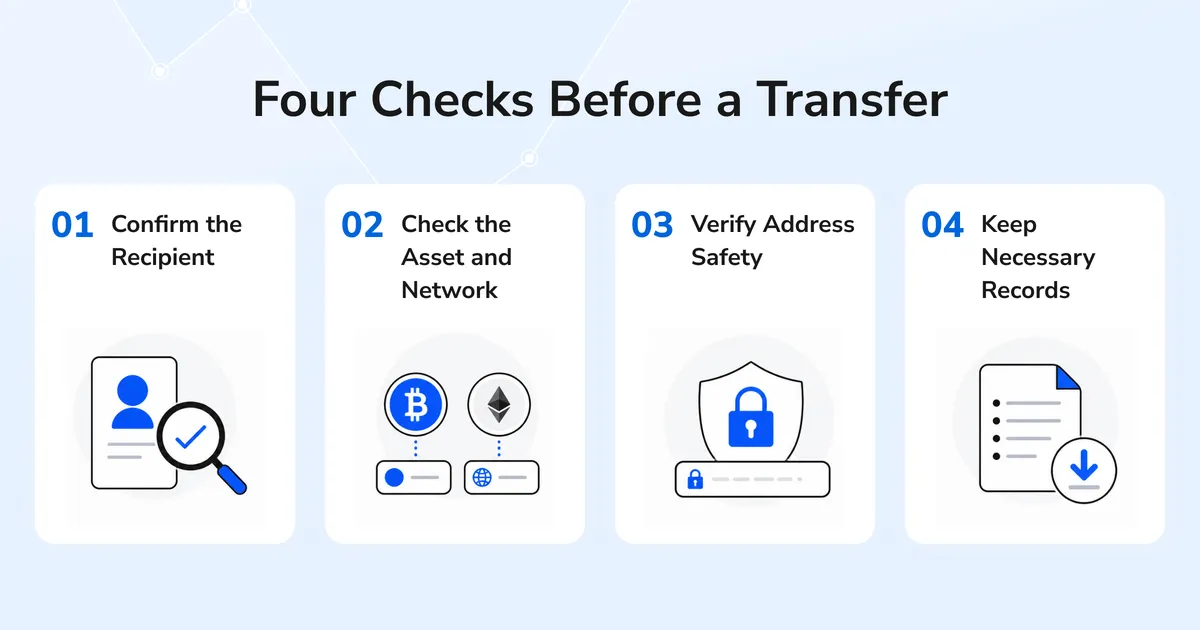
- Identify the recipient. Confirm whether the destination is your own account, another exchange, a customer, or another party. Do not enter information that does not match the transfer.
- Check the asset and network. The same token can exist on different networks; network compatibility and information requirements are separate checks.
- Confirm the address source. Be cautious with unfamiliar addresses, last-minute address changes, or pressure to transfer quickly.
- Read the platform prompt. If the platform asks about a receiving platform, address purpose, or supporting information, understand it before sending.
- Keep essential records. Save the time, transaction hash, receiving address, and platform notices in case support is needed.
Travel Rule FAQ
Will the Travel Rule put my personal information on the blockchain?
Not necessarily. Its focus is the secure handling of necessary information by service providers, not putting names or identity data onto a public blockchain.
Will every transfer require the same information?
No. Processes can vary by jurisdiction, service provider, recipient type, risk assessment, and platform policy.
Does sending to a self-custody wallet mean a transfer is impossible?
It should not be assumed. The process differs from an exchange-to-exchange transfer, but the platform's own policies and risk controls determine how it is handled.
Does the Travel Rule prevent scams?
It is part of an anti-money-laundering framework, not a guarantee against fraud. Stop and verify if someone pressures you to send crypto immediately, promises guaranteed returns, or asks for passwords, private keys, or verification codes.
Conclusion: One More Check Can Reduce Transfer Mistakes
The Travel Rule helps virtual asset service providers assess counterparties and transaction risks with more complete information. For users, the practical priority is to verify the recipient, address, asset, network, and platform prompt before every transfer—and never provide inaccurate or unnecessary information.
This article is for general information only and is not legal, tax, or individual transaction advice. Follow the current rules, notices, and instructions of the service provider you use.
What is ZONE Wallet?
ZONE Wallet is a Taiwan-based virtual asset exchange, allowing beginners to buy and sell easily with a single click. Combined with our dollar-cost averaging (DCA) feature, you can enjoy flexible, value-driven investment results!
ZONE Wallet also offers corporate account services with a fast and secure onboarding process. We help startups and enterprises leverage stablecoins to optimize cross-border payment workflows and reduce transaction costs. ZONE Wallet makes asset allocation more reliable for both personal financial management and corporate treasury strategies—helping you effortlessly navigate the future of Web3!