Taiwan Passes Virtual Asset Service Act (VASA): Market Shifts & Investment Opportunities
In 2026, Taiwan's virtual asset market reached a historic turning point. The "Virtual Asset Service Act" officially completed its third reading in the Legislative Yuan, marking Taiwan's transition from an ambiguous regulatory stance to an era of clear legal frameworks. This is not just the passage of a law, but a repositioning of the entire industry ecosystem. From investors to financial institutions, from startups to listed companies, every party needs to understand the opportunities and challenges brought by this transformation.
Over the past five years, Taiwan's regulatory stance on virtual assets has been relatively conservative. While virtual currency trading was not explicitly prohibited by law, there was no comprehensive legal framework either. Investors operated in a gray area, and financial institutions were hesitant to engage with virtual assets. Now, with the passage of the Virtual Asset Service Act, the entire situation will fundamentally change. This will promote the regulated development of Taiwan's cryptocurrency market, attract more institutional capital, and provide stronger protection for investors.
This article will delve into the true meaning behind the third reading passage of the "Virtual Asset Service Act," how it will change the way Taiwan's virtual asset market operates, and how investors should respond to this transformation.
Key Significance of the Virtual Asset Service Act
From Uncertainty to Certainty
For years, Taiwanese investors have faced uncertainty regarding virtual asset transactions. The Financial Supervisory Commission (FSC) had repeatedly issued warnings, stating that virtual assets are "not currency" and carry extremely high risks. However, these warnings neither explicitly prohibited virtual asset trading nor established a comprehensive regulatory framework. This "allowed but unprotected" state left many investors anxious.
The passage of the Virtual Asset Service Act puts an end to this uncertainty. The Act clarifies the legal status of virtual assets, establishes a licensing system for Virtual Asset Service Providers (VASPs), and stipulates core requirements such as risk management, customer protection, and anti-money laundering. This means that virtual asset transactions are no longer gray-area activities but compliant operations within a clear legal framework.
Alignment with International Standards
Taiwan's virtual asset regulation has long lagged behind international standards. Countries and regions such as the United States, the European Union, and Singapore have long established relatively comprehensive virtual asset regulatory frameworks. Taiwan's outdated regulatory environment has deterred many international virtual asset companies from entering its market and has also limited the international competitiveness of local Taiwanese enterprises.
The passage of the Virtual Asset Service Act brings Taiwan's regulatory framework closer to international standards. The Act adopts recommendations from the Financial Action Task Force (FATF), particularly concerning anti-money laundering and counter-terrorist financing. This not only enhances the attractiveness of the Taiwanese market to international investors but also provides a solid legal foundation for Taiwanese enterprises to expand into international markets.
Enhanced Investor Protection
In the past, Taiwanese investors had virtually no protection when virtual asset exchanges collapsed or were hacked. Taiwanese investors in the FTX exchange collapse were victims, facing a situation where recovering their losses was almost impossible. The Virtual Asset Service Act significantly strengthens investor protection by establishing a licensing system, client fund segregation requirements, insurance mechanisms, and other measures.
The Act requires VASPs to segregate client assets from their own company assets, preventing misappropriation of client funds by businesses. Additionally, VASPs must purchase appropriate insurance, ensuring that investors' funds can be compensated in the event of an unforeseen incident. While these measures cannot completely eliminate risk, they have significantly reduced investors' risk of loss.
Market Changes Brought by the Act
Accelerated Development of Stablecoins and Payment Applications
In the era of past regulatory uncertainty, the use of stablecoins in Taiwan was restricted. Although Taiwanese investors could purchase USDT and USDC on exchanges, these stablecoins were not widely used for daily payments or commercial applications. The passage of the Virtual Asset Service Act will change this.
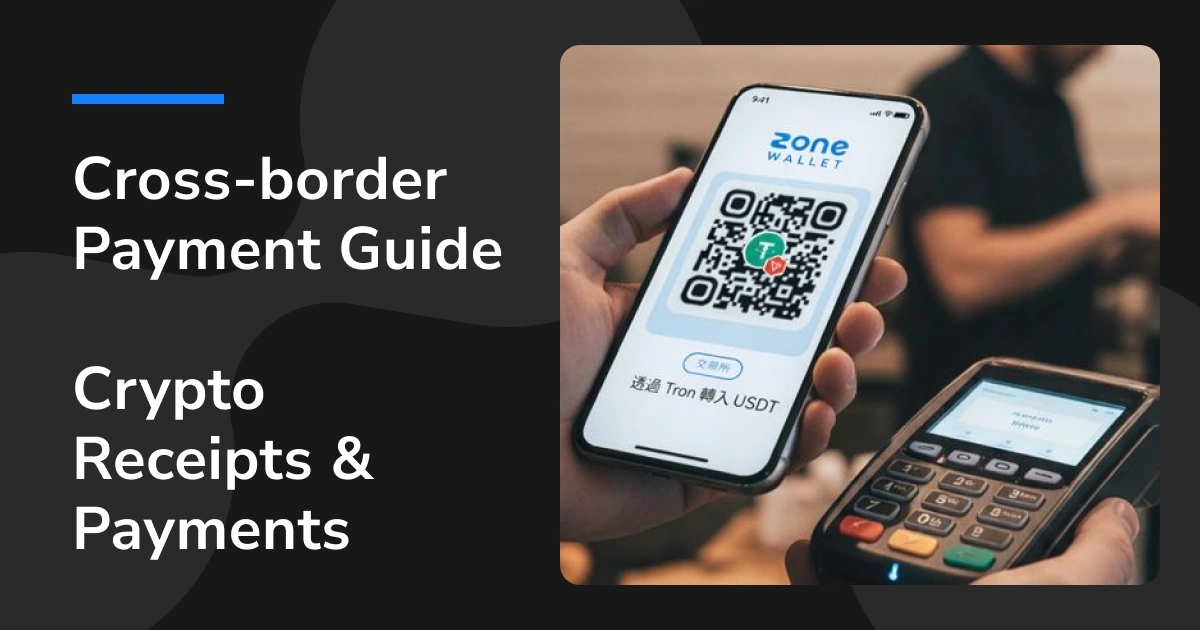
The Act clarifies the status of stablecoins and establishes regulatory requirements for stablecoin issuers. This means that in the future, more institutions and individuals will be confident in using stablecoins extensively for cross-border payments, international trade settlements, and more. For cross-border e-commerce businesses, importers/exporters, and freelancers, stablecoins will become a more convenient and cheaper international payment tool. USDT transaction fees (typically $1-2) are significantly lower than traditional bank transfers (often hundreds to thousands of NTD), which will lead to substantial cost savings.
Regulation of On-chain Finance (DeFi)
DeFi is one of the most innovative areas in the virtual asset ecosystem. Through smart contracts, financial services such as lending, exchange, and derivatives trading can be conducted on decentralized platforms. However, DeFi has long lacked regulation, leading to numerous scams and risk incidents. The Virtual Asset Service Act establishes a regulatory framework for DeFi applications, encouraging innovation while also protecting investors.
In the future, blockchain-based financial applications will develop within a legal framework. This will not only bring more financial choices to Taiwanese consumers but also provide room for growth for Taiwan's FinTech companies.
The Possibility of Real-World Asset Tokenization
The Virtual Asset Service Act opens the door for real-world asset tokenization. Assets such as real estate, artworks, and intellectual property can be tokenized via blockchain, enhancing liquidity and tradability. For example, Taiwanese real estate investors can tokenize properties, allowing international investors to participate in the Taiwanese real estate market without the complex procedures typically associated with foreign investment.
This innovation will drive the modernization of Taiwan's capital market and create new business opportunities for entrepreneurs and investors.
New Opportunities and Challenges for Financial Institutions
The Inevitable Trend of Virtual-Real Integration
A core implication of the Virtual Asset Service Act is that traditional financial institutions (banks, securities firms, insurance companies) must begin integrating virtual asset services. Future financial services will no longer be two parallel worlds of "traditional finance" and "virtual assets," but rather a converged ecosystem.
Banks can offer virtual asset custody services, allowing clients to securely hold Bitcoin and other assets on their banking platforms. Securities firms can provide virtual asset trading and asset management services. Insurance companies can launch insurance products specifically for virtual asset losses. These "virtual-real integrated" services will become a core competitive advantage for financial institutions in the future.
For investors, this means the emergence of more compliant and professional virtual asset service providers. The entry of traditional financial institutions like banks into the virtual asset space will bring higher security standards, better customer service, and clearer risk disclosures.
Compliance Costs and Technology Investment
The passage of the Virtual Asset Service Act is not without cost. Financial institutions will need to invest in compliance infrastructure, including customer due diligence systems, anti-money laundering monitoring, and private key management technologies. Smaller virtual asset service providers may not be able to bear these costs, leading to increased market concentration.
However, in the long run, the cost of compliance is worthwhile. Once a robust compliance framework is established, financial institutions will be able to serve the virtual asset market with lower risk costs, attracting capital inflows from institutional investors and high-net-worth clients.
The License Scramble Begins
The licensing system established by the Virtual Asset Service Act means that not all businesses wishing to provide virtual asset services will be able to obtain a license. This will trigger a scramble for licenses. Existing exchanges, wallet service providers, and asset management companies will all strive to obtain formal license recognition. Service providers without a license will face the choice of exiting the market or upgrading their operations.
This is good news for investors, as the licensing system ensures that service providers must meet certain security and compliance standards. However, it also means that market concentration will increase, and smaller, "wildcat" exchanges will gradually disappear.
Direct Impact on Investors
Enhanced Security
First and foremost is security. The Virtual Asset Service Act requires VASPs to implement strict security measures to protect client assets. This includes cold storage (99% of assets stored offline), multi-signature technology (requiring multiple keys to move assets), and regular security audits.
In addition, the bill requires VASPs to purchase insurance. Even if an exchange is hacked or goes bankrupt, investors' funds will be compensated. This significantly reduces investor risk.
Tax Clarity
For a long time, the tax treatment of virtual currency investments has been ambiguous. The passage of the Virtual Asset Service Act, accompanied by detailed tax guidelines, allows investors to clearly understand their tax responsibilities. While this may increase investors' tax burden (many may not have reported virtual currency income in the past), it is beneficial in the long run. Clear tax rules will encourage more legitimate virtual asset investments and attract institutional capital.
Increased Market Liquidity
As regulations become clearer, more institutional investors and financial institutions will enter Taiwan's virtual asset market. This will significantly increase market liquidity. High liquidity means investors can more easily buy and sell virtual assets, and transaction fees will also decrease.
High liquidity also means more efficient price discovery. In highly liquid markets, asset prices can more accurately reflect their true value, reducing the risk of price manipulation and abnormal volatility.
Future Outlook for Taiwan's Virtual Asset Market
Cross-border Payment Revolution
Following the passage of the Virtual Asset Service Act, Taiwan is poised for a revolution in cross-border payments. Many Taiwanese businesses engage in import and export trade, where traditional bank transfers are costly, complex, and take several days. Virtual asset payment solutions like stablecoins and the Bitcoin Lightning Network can reduce remittance fees to 1-2% and shorten transaction times to just minutes.
This is particularly beneficial for Taiwan's small and medium-sized enterprises (SMEs). Taiwan has a large number of foreign trade enterprises, and using virtual assets for cross-border payments can significantly reduce costs and enhance competitiveness. The government should encourage such innovative applications to help Taiwanese businesses operate more efficiently amidst the wave of globalization.
Professionalization of Digital Asset Management
In the future, virtual asset management will become an independent professional field. Similar to traditional financial advisors and asset managers, virtual asset advisors will help investors build virtual asset portfolios. Banks' private banking divisions will also begin offering virtual asset allocation services to high-net-worth clients.
This will create an opportunity: the professionalization of virtual asset education. Many universities and training institutions will offer virtual asset-related courses to train professional virtual asset managers. This provides a new direction for young people's career development.
Acceleration of Innovative Applications
The Virtual Asset Service Act clears the way for innovative applications. Blockchain applications in areas such as supply chain tracking, digital identity, and smart contracts will see rapid development. Taiwanese tech companies can boldly conduct innovative experiments related to virtual assets under a clear regulatory framework.
Many startups are looking for opportunities to enter the virtual asset space. The Virtual Asset Service Act provides clear rules, allowing these companies to invest with confidence, without worrying about sudden regulatory changes.
Actions Investors Should Take
Choose Compliant Platforms
After the bill passes, investors should prioritize trading on platforms that have obtained official licenses or completed VASP registration. In Taiwan, exchanges like ZONE Wallet that have completed FSC registration should be the preferred choice. These platforms have government regulatory endorsement, ensuring security and compliance.
Understand the New Rules
The Virtual Asset Service Act introduces new rules, including tax liabilities and trading restrictions. Investors should take time to understand these new regulations to ensure their investment activities are fully compliant. Failure to understand and abide by the rules could lead to fines or even criminal liability.
Develop a long-term strategy
The passage of the act signifies the virtual asset market's maturation. Investors should move away from short-term speculative mindsets and develop long-term investment strategies. The long-term prospects for mainstream cryptocurrencies like Bitcoin and Ethereum remain positive, and dollar-cost averaging continues to be a rational choice.
Diversify your investment portfolio
As the virtual asset market matures, investors should consider incorporating virtual assets into their overall investment portfolios. A rational portfolio might include a mix of traditional investments (stocks, funds, bonds) and virtual assets (Bitcoin, Ethereum, stablecoins). The allocation should be adjusted based on risk tolerance and investment goals.
Conclusion: A New Era for Taiwan's Virtual Asset Market
The third reading and passage of the "Virtual Asset Service Act" is not merely the birth of a new law; it marks a pivotal moment for Taiwan's virtual asset market, transitioning from a "gray area" to a "sunny zone." From the regulator's perspective, this aims to protect investors and maintain financial stability. For market participants, it represents a development opportunity. And for investors, it's a time when both security and convenience are simultaneously enhanced.
Looking ahead, Taiwan's virtual asset market will exhibit three major trends. First, the market size will expand rapidly, driven by increased investor confidence and the entry of institutional capital. Second, market participants will undergo significant optimization, with non-compliant smaller exchanges exiting and compliant professional service providers gaining more market share. Third, application scenarios will diversify, extending beyond simple investment trading to encompass payments, finance, enterprise applications, and various other fields.
For new investors looking to enter the virtual asset market, now is an opportune time. The legal framework is established, regulation is clear, and investor protection is assured. For investors already in the market, now is the moment to organize portfolios and formulate long-term strategies.
A new era for Taiwan's virtual asset market has begun. Seizing this opportunity will unlock new possibilities for your financial future.
Disclaimer: The content of this article is for educational and informational purposes only and does not constitute investment advice. Virtual asset investments involve risks, and price fluctuations may lead to capital loss. Investors should assess their personal financial situation and only invest funds they can afford to lose. The interpretation of the "Virtual Asset Service Act" in this article is a general understanding; for specific legal effects, please consult a professional lawyer or relevant regulatory authorities.